TLDR
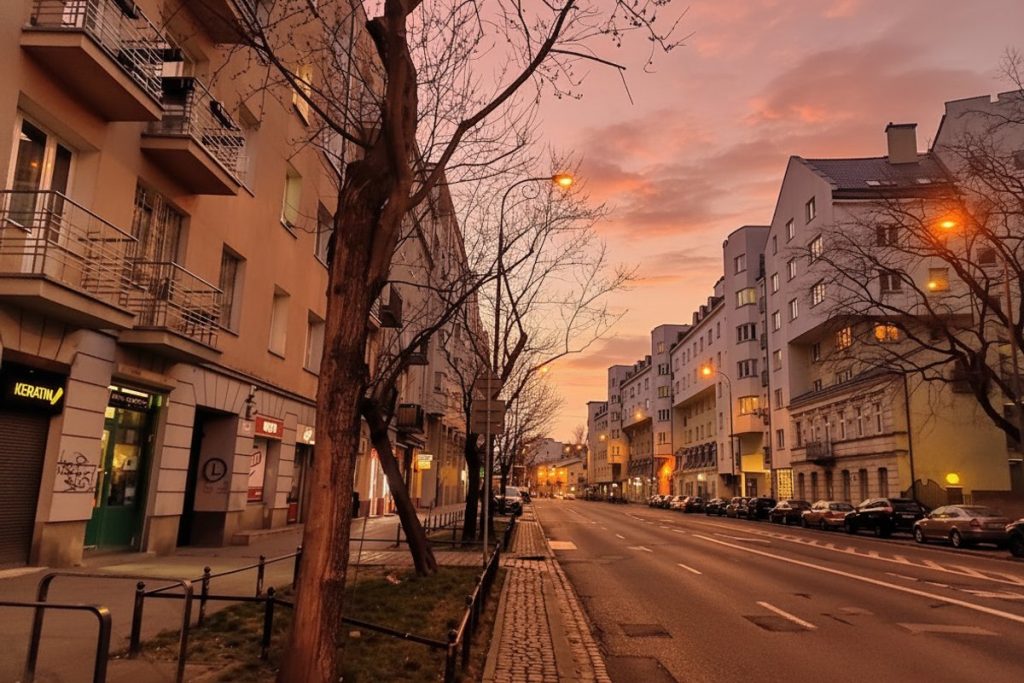
For first-time visitors, base yourself in Śródmieście (Centrum), central, walkable to the Old Town, two metro lines, every transport option. The Old Town itself is pretty but tourist-priced. Praga across the river is the artsy alternative. Wola is modern and business-orientated. Mokotów and Saska Kępa are residential and leafy. Powiśle is the trendy in-between.
Insider Tip
If you want the energy of the Old Town without the prices, base yourself in Powiśle, the strip between the Wisła and Nowy Świat. You’re a 15-minute walk from the Old Town, surrounded by good cafés, and paying half the rates of the equivalent rooms behind Castle Square.
Planning your stay? Check current rates at Warszawa Centrum. A central, walkable base for exploring Warszawa.
Quick Map of Central Warszawa

Warszawa is a wide-spread city, but the parts visitors actually use are tightly clustered. Roughly:
Śródmieście (Centrum), the central business district. Pałac Kultury, Centralna station, most major hotels including Twarda 52.
Stare Miasto (Old Town), the rebuilt historic core. North of Centrum, walking distance.
Powiśle, the riverside strip between Centrum and the Wisła. Trendy.
Wola, modern offices and apartments west of Centrum.
Praga-Północ, the artsy, less-touristed east bank across the river.
Mokotów, leafy residential south of the centre.
Saska Kępa, quiet pre-war residential, east bank.
All seven are within 20 minutes of Centrum on the metro or tram.
Śródmieście (Centrum): The Default Base
If you’re booking your first trip to Warszawa, this is where you should be. Śródmieście covers the city centre proper, the streets between the Pałac Kultury, Warszawa Centralna station, the National Museum and the southern end of Krakowskie Przedmieście.
Why it works: walking distance to the Old Town (25 minutes), two metro lines (M1 + M2 cross at Świętokrzyska), every tram and bus route, the SKM train to Chopin Airport, the intercity train to Kraków and Gdańsk, and the city’s biggest food and shopping concentration.
What’s it like: a working business district that comes alive in the evening. Office towers (Warsaw Spire, Q22) interleaved with pre-war tenements that survived 1945 and post-war communist blocks. Plenty of restaurants and cafés with locals as well as visitors. Hala Koszyki and Plac Zbawiciela are 15 minutes’ walk south.
Honest trade-off: not the prettiest of the central districts. The architecture varies from gorgeous to plain. The character is one block off the main streets.
Stare Miasto (the Old Town): Pretty, Pricey, Touristy
The historic core, carefully rebuilt after 1944, UNESCO-listed. Castle Square, the Royal Castle, the Old Town Square (Rynek Starego Miasta), the Barbican.
Why people stay here: wake up to the Old Town facades, walk to dinner across cobbled lanes, no traffic.
Why most don’t: hotels here are 30-50% more expensive than equivalent rooms in Centrum. Restaurants are tourist-priced. The area is small enough that you can visit it in 2 hours from anywhere else in the centre.
Best for: a one-night anniversary stay, history-focused short visits, or older travellers who want to wake up beside the sights and don’t mind paying the premium.
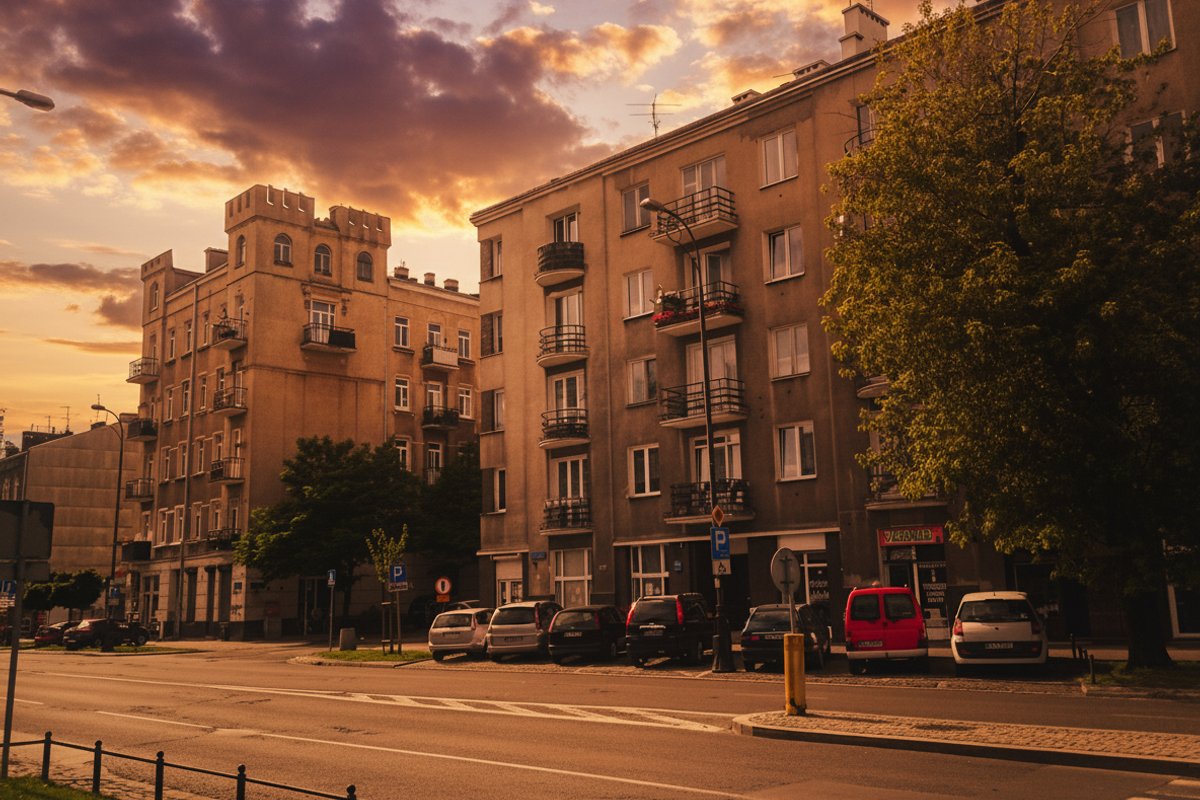

“Praga is the most genuine neighbourhood in Warsaw, pre-war tenements that didn’t get flattened in 1944, courtyards full of street art, and the best small bars in the city around Ząbkowska. A different city from the Old Town.”
Powiśle: The Trendy In-Between
The strip between Nowy Świat and the Wisła river. A decade ago this was a sleepy slice of riverbank. Now it’s where Varsovians in their 20s and 30s drink, eat and meet, Pavilions on the riverside, the cafés along Tamka and Solec.
Why it works as a base: walking distance to the Old Town (15 minutes), Centrum (10 minutes) and the riverside bar scene (you’re already there). Lower hotel rates than the Old Town, similar feel.
What’s there: Copernicus Science Centre, the Multimedia Fountain Park (free summer light shows), CSW (Ujazdowski Castle Centre for Contemporary Art) a short walk south, plus the riverside bike path that runs to Łazienki.
Best for: repeat visitors who want to base themselves somewhere lively but quieter than the Old Town.
Wola: Modern, Business-Heavy, Cheap to Stay
West of the centre. The new business district, most of the city’s recent skyscrapers (Warsaw Spire, Skyliner, Generation Park) are here, along with the Warsaw Uprising Museum and Hala Mirowska market. Twarda 52 sits right on the Wola/Śródmieście border.
Why it works: business-traveller hotels in Wola are often the best value in central Warszawa, especially Sunday-Wednesday. Two metro stops on M2 (Rondo Daszyńskiego, Rondo ONZ). Walking distance to Centrum.
What’s there: Warsaw Uprising Museum, POLIN, Hala Mirowska, the Browary Warszawskie food and bar complex, plus the modern office crowd’s restaurant scene.
Honest trade-off: evenings can feel quiet around the office towers when workers head home. Pick a hotel within walking distance of Hala Koszyki or Plac Grzybowski for the best of both.
Praga-Północ: The Artsy East Bank
The ‘other Warszawa’. Praga didn’t get flattened in 1944, so the streets here have original pre-war tenements, courtyards, and a stubbornly local character. The artsy hipster crowd has taken over the blocks around Ząbkowska in the last decade, vodka-factory bars, indie galleries, the Koneser Centre, the Vodka Museum.
Why visit: a half-day exploring Ząbkowska, Bazar Różyckiego market, the murals along Targowa, and a coffee at Cafe Sztuka. Different feel from anywhere else in the city.
Why not stay here: fewer hotels, fewer transport options, and you’ll cross the river every day. Better as a half-day visit from a Centrum or Powiśle base.
Worth knowing: the main streets are safe day and night. Some side blocks are still rough, stick to Ząbkowska, Targowa, Stalowa, Brzeska after dark.
Mokotów and Saska Kępa: Leafy Residential
Mokotów stretches south from Łazienki Park. Quiet residential, art-nouveau apartment buildings, leafy streets. Plac Unii Lubelskiej is the main hub. Worth a wander on a long stay; not where you’d base yourself for a 3-day trip.
Saska Kępa is the east-bank equivalent, pre-war villas, embassies, the leafiest part of the city. Some excellent restaurants (especially along Francuska street) but you’ll be in a tram or taxi for most of your sightseeing.
Best for: longer stays, families, repeat visitors who want a quieter base.
Skip if: it’s your first 2-3 day trip to the city.
Quick Decision Matrix
First-time visitor, 2-3 nights: Śródmieście (Centrum), or Wola near the Centrum border. Both walking distance to everything, every transport option.
Anniversary trip with romance budget: Stare Miasto. Pay the premium for the cobblestones outside your window.
Repeat visitor wanting more atmosphere: Powiśle. Riverside, lively, less touristy.
Budget-focused: Wola. Best business-hotel rates within walking distance of the centre.
Long stay or family with kids: Mokotów or Saska Kępa. Quieter, leafier, less hectic.
Solo traveller wanting to meet people: Powiśle or Centrum. Bar and café scene with a younger Polish crowd.
Praga-based: only if you’ve visited Warszawa before and you specifically want to live there for a few days.
“Excellent location, close to the central train station. The room was large enough, breakfast very tasty and various. Staff very helpful.”
See What Warszawa Centrum Looks Like
We may earn a small commission if you book through this link.
Check current prices at Warszawa Centrum
Warszawa Centrum (Holiday Inn Warsaw City Centre) sits two blocks from the Palace of Culture and an 8-minute walk from Warszawa Centralna. A reliable base for everything on this list.
Check Available RoomsWe may earn a small commission if you book through this link. It doesn’t cost you anything extra.
Frequently Asked Questions
What is the best neighbourhood to stay in Warszawa for first-time visitors?
Śródmieście (Centrum), the central business district. You’ll be walking distance to the Old Town, two metro lines, every tram, the SKM train to Chopin Airport, Centralna station for intercity trains, and the city’s biggest food and shopping concentration. The streets immediately around the Palace of Culture are the best base.
Is the Old Town a good area to stay in Warszawa?
Pretty but pricey. Hotels in Stare Miasto are 30-50% more expensive than equivalent rooms in Centrum, and restaurants are tourist-priced. Worth the premium if you specifically want to wake up beside the cobblestones; otherwise base in Centrum and visit the Old Town for a couple of hours.
Is Praga in Warszawa safe?
Yes, in the parts visitors actually go. The main streets, Ząbkowska, Targowa, Stalowa, Brzeska, are safe day and night, full of cafés and bars, and increasingly mixed-use. Some side blocks are still rough, so stick to the named streets after dark.
What’s the difference between Wola and Śródmieście?
Śródmieście (Centrum) is the historic central business district with pre-war buildings interleaved with newer ones. Wola, immediately west, is newer, most of Warszawa’s recent skyscrapers (Warsaw Spire, Skyliner) are in Wola. The border runs roughly along Towarowa street. Twarda 52 sits right on the Wola/Śródmieście border.
Where do locals go out in Warszawa?
Plac Zbawiciela for café culture, the Wilcza/Koszykowa triangle for restaurants, Powiśle riverside for summer bars, Ząbkowska in Praga for indie bars and galleries, Hala Koszyki for food-hall meals. Mostly NOT the Old Town, which is treated as a tourist zone.
Is Mokotów a good area for tourists?
Better for longer stays or families wanting a quieter base. It’s residential, leafy, and a 10-15-minute tram ride from the centre. For a typical 2-3 night first visit, you’ll spend more time commuting than enjoying the area, Centrum or Powiśle are easier.
What’s special about Powiśle?
It’s the strip between Nowy Świat and the Wisła river, the trendy in-between district. Riverside bars, indie cafés, the Copernicus Science Centre, and a 15-minute walk to either the Old Town or Centrum. Increasingly where Varsovians in their 20s and 30s spend evenings.
How big is central Warszawa?
The walkable historic and business core (Pałac Kultury, Centralna, Krakowskie Przedmieście, the Old Town) covers roughly 3 km north-south and 2 km east-west. You can walk from one end to the other in 30-40 minutes. Outside that core, the metro and trams cover the longer crossings to Praga (15 min east), Łazienki (15 min south) and Wilanów (30 min south).